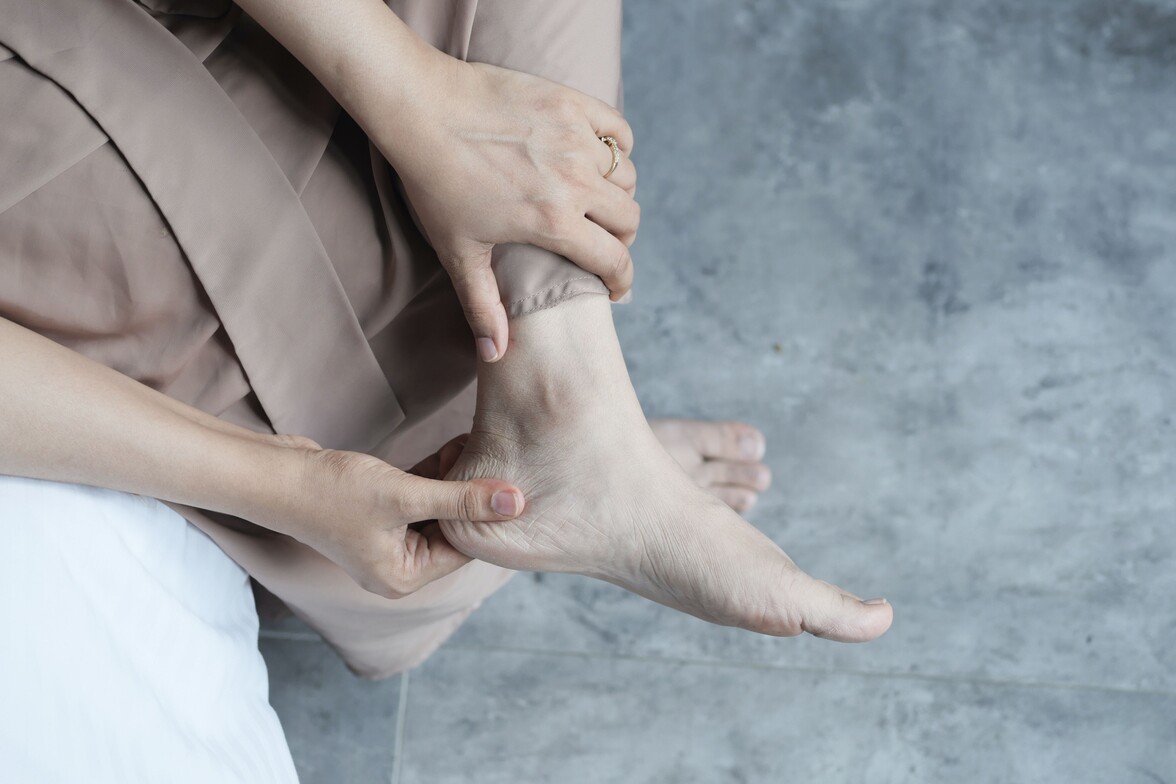
If you've been dealing with pain in the back of your ankle every time you walk, run, or exercise, you're not alone. Achilles tendon pain—also known as Achilles tendinopathy—is one of the most common overuse injuries we see in active adults and young athletes. Because of how common it is, many people seek out a chiropractor in Rochester, NY to treat it.
Many people assume that resting the ankle, icing it, or taking anti-inflammatory medication is the answer. While these treatments may temporarily reduce discomfort, they rarely solve the underlying problem.
The real issue is often that the tendon has lost its ability to handle the demands being placed on it. The good news? With the right treatment plan, you can rebuild that strength and get back to doing what you love.
Why Does Achilles Tendon Pain Develop?
Your Achilles tendon is the thick band of tissue connecting your calf muscles to your heel bone. Every step, jump, and sprint places significant force through this tendon.
Over time, repetitive stress without adequate recovery can cause tiny areas of damage within the tendon. Instead of inflammation being the primary problem, the tendon gradually becomes less capable of handling normal loads.
This is why Achilles pain is so common in runners, basketball players, soccer players, pickleball enthusiasts, and anyone whose activity level suddenly increases.
Contributing factors can include:
-
Doing too much too quickly
-
Tight calf muscles or limited ankle mobility
-
Weakness in the hips or legs
-
Changes in footwear or training surfaces
-
Poor movement mechanics
Rather than being a "damaged tendon," many cases are actually a tendon that has become overloaded.
Why Rest Alone Doesn't Fix the Problem
One of the biggest misconceptions about Achilles injuries is that complete rest will heal the tendon.
While taking a short break from painful activities can calm symptoms, tendons actually become healthier when they're exposed to the right amount of stress.
Think of it like rebuilding muscle after an injury. Too much activity makes it worse, but too little causes the tissue to become weaker. The goal is finding the "sweet spot" where the tendon is challenged enough to become stronger without being overloaded.
That's why modern rehabilitation focuses on progressive loading rather than prolonged rest.
Exercise Is One of the Best Treatments
Research consistently shows that specific strengthening exercises are the foundation of successful Achilles recovery.
Many people have heard of the Alfredson Protocol, a program of controlled heel-drop exercises designed to gradually strengthen the tendon.
Today, clinicians also use heavy slow resistance training, which combines slow, controlled calf strengthening with progressively increasing resistance.
The important part isn't whether the exercise is lowering or lifting the heel—it's that the tendon experiences enough controlled load to stimulate healing and rebuild healthy collagen.
Every patient is different.
A recreational runner training for a marathon needs a different rehabilitation program than a high school soccer player or someone who simply wants to walk without pain. Your treatment plan should match your goals and activity level.
How Chiropractic Care Can Help
At our office, we don't just focus on where it hurts—we look at why the tendon became overloaded in the first place.
A comprehensive evaluation may identify movement problems throughout the entire lower body that are contributing to excessive stress on the Achilles tendon.
Treatment may include:
-
Chiropractic adjustments to improve ankle, foot, and lower extremity mobility
-
Guided strengthening exercises that safely rebuild tendon capacity
-
Soft tissue therapies to improve muscle and tendon function
-
Instrument-assisted soft tissue mobilization (IASTM)
-
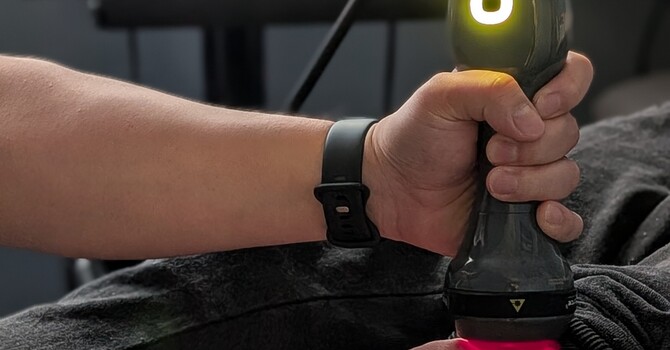
Class IV Deep Tissue Laser Therapy for chronic tendon pain
-
Recommendations to improve training, recovery, and activity progression
Our goal isn't simply to reduce pain—it's to help your body move more efficiently so the problem is less likely to return.
Healing Takes Time
One of the most frustrating aspects of Achilles tendinopathy is that tendons heal much more slowly than muscles.
Many patients begin noticing improvement within six to eight weeks, but full recovery often takes several months. Feeling better doesn't always mean the tendon has completely healed, which is why returning to sports too quickly can lead to reinjury.
Consistency is far more important than rushing the process.
Don't Ignore Achilles Pain
If your Achilles tendon hurts every morning, feels stiff when you begin exercising, or continues bothering you after activity, it's your body's way of telling you something needs to change.
The earlier you address the problem, the easier it is to restore normal function and prevent a long-term injury.
With the right combination of chiropractic care, progressive strengthening, and movement correction, most people can return to the activities they enjoy with greater confidence and less pain.
Ready to Get Back on Your Feet?
If Achilles pain is limiting your workouts, your sport, or even your daily walks, seek out your favorite chiropractor in Rochester, NY. We'll identify what's causing the problem, develop a treatment plan tailored to your goals, and guide you every step of the way toward a stronger, healthier recovery.